


On this page
What is a fertility assessment?
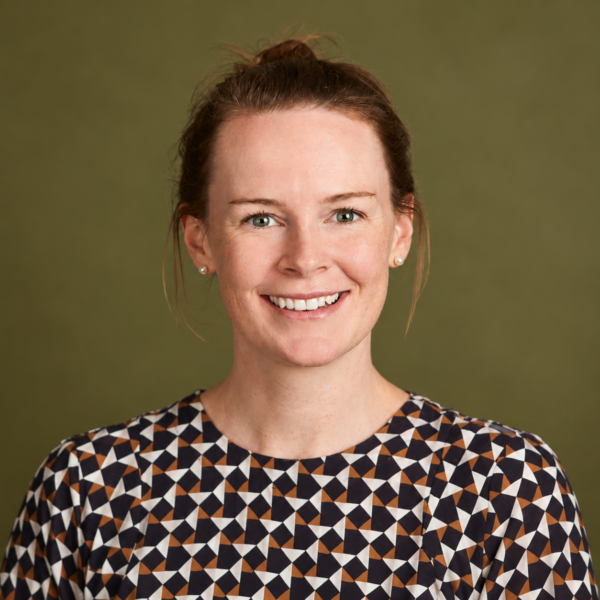
It all starts with a conversation with our Stellar Fertility GP, Dr Claire Langford. Dr Claire will take the time to understand your medical history, reproductive history, fertility goals and any concerns you may have.
Your reproductive history
Your menstrual cycle, previous pregnancies, contraception, surgeries and other reproductive health factors.
Your medical history
Existing health conditions, medications, previous treatments and relevant family history.
Your fertility goals
Whether you are planning a pregnancy now, considering pregnancy in the future, using a donor-assisted pathway or have been experiencing a delay in conception.
Your partner’s fertility
For couples, fertility assessment can include both partners. Understanding both sides of the reproductive picture can provide a more complete assessment of factors affecting conception.
Stellar Fertility GP, Dr Claire Langford, will recommend investigations based on your individual circumstances. The aim is to investigate the factors that are relevant to you, rather than ordering a long list of tests without purpose. Dr Claire will refer you to either Dr Rachael Knight or Dr Rebecca Mackenzie-Proctor to review your results and explore the right support for you.
Fertility assessment for women
There are many factors that can influence female fertility, including age, ovulation, ovarian reserve, the health of the reproductive organs and general health. A fertility assessment for women and people AFAB may include blood tests, pelvic ultrasound and other investigations depending on your medical and reproductive history.
Ovarian reserve assessment
Ovarian reserve refers to the number of follicles remaining in the ovaries. Your ovarian reserve can be assessed using a combination of blood tests and pelvic ultrasound. Blood testing may include AMH (anti-Müllerian hormone), while a detailed pelvic ultrasound can assess the ovaries and measure the number of antral follicles. Ovarian reserve testing provides useful information about your reproductive health, but it does not predict exactly whether or when you will become pregnant. Your Stellar Fertility specialist will interpret your results alongside your age, menstrual cycle, medical history and other fertility factors.
Ovulation assessment
Ovulation is the release of an egg from the ovary and is an important part of natural conception. Your menstrual history, blood tests and ultrasound may help determine whether you are ovulating regularly. Irregular or absent ovulation can have a number of causes, including polymetabolic ovary syndrome (PMOS) and other hormonal or medical conditions.
Gynaecological assessment
Your fertility assessment may also investigate conditions that can affect conception, including:
- endometriosis
- adenomyosis
- PMOS
- fibroids
- ovarian cysts
- uterine abnormalities
- tubal disease or blocked fallopian tubes
- vaginismus
- other conditions affecting the reproductive organs
Identifying a gynaecological condition may help explain a delay in conception and guide decisions about whether further investigation or treatment could be helpful.
Fertility assessment for men
Fertility assessment for men
Fertility is not just a women’s health issue. Male factors can contribute to difficulties conceiving, which is why assessing sperm and male reproductive health can be an important part of understanding fertility. A fertility assessment for men and people AMAB may include:
Semen analysis
A semen analysis assesses different aspects of sperm and semen health, including:
- sperm concentration
- sperm movement (motility)
- sperm shape (morphology)
- semen volume
- If results are outside the expected range, your fertility specialist may recommend further investigation or repeat testing.
Genetic assessment
Genetic testing may be recommended in some circumstances, particularly where there are significant sperm abnormalities, a history of fertility problems or other relevant medical factors.
General health assessment
Overall health can influence sperm production and reproductive health. Your fertility assessment may consider your medical history, medications, lifestyle and existing health conditions.
Genetic and infectious screening
Understanding your fertility can involve more than assessing whether you can conceive. Your fertility assessment may also include genetic and infectious screening to help identify factors that may be important when planning a pregnancy.
Genetic screening
Genetic carrier screening can identify whether you carry certain genetic conditions that could potentially be passed on to your children. Genetic screening does not assess whether you are fertile. Instead, it provides information about genetic reproductive risk that can help you make informed decisions about pregnancy. Learn more about genetic screening.
Infectious screening
Some infections can affect fertility, pregnancy or a developing baby. Where appropriate, infectious screening and immunity testing can identify conditions that may need treatment, monitoring or vaccination before pregnancy.
General health
Your fertility assessment may also consider your broader health, including medications, existing medical conditions, vaccinations and lifestyle factors. Looking after your health before pregnancy can help optimise your reproductive health and create the best possible foundations for pregnancy.
When should I have an assessment?
There are many reasons to have a fertility assessment. You do not have to be experiencing infertility to benefit from understanding your reproductive health. A fertility assessment may be right for you if:
-
- You are under 35 and have been trying to conceive for 12 months
- You are 35 or older and have been trying to conceive for 6 months
- You are planning to use donor sperm or eggs
- You have been diagnosed with a condition that may affect fertility such as:
- endometriosis
- PMOS
- irregular or absent ovulation
- tubal disease
- fibroids or other uterine conditions
- conditions affecting ovarian function
- conditions that may affect sperm health
- previous pelvic surgery or infection
- You’re simply curious about your fertility
You do not need to be trying for a baby to ask questions about your fertility. If you’re thinking about having children in the future, considering delaying pregnancy, or simply want to learn more about your reproductive health and fertility, a fertility assessment can give you valuable information.
Can a fertility assessment help me conceive naturally?
It can. A fertility assessment may identify factors that can be addressed without IVF or other assisted reproductive treatments. Depending on your results, your Stellar Fertility specialist may recommend things such as optimising the timing of intercourse, addressing ovulation problems, optimising sperm health, treating an underlying condition, investigating tubal factors, improving general health or continuing to try naturally with a better understanding of your fertile window. For some people, a fertility assessment may identify a factor that means further investigation or fertility treatment could be worth considering.
It is important to keep in mind fertility treatment does not always mean IVF. Assessing and understanding your fertility early can help you make informed decisions about whether you need treatment at all — and, if you do, which options may be appropriate for you.