


On this page
What is an embryo transfer
An embryo transfer is a procedure where an embryo created through IVF is placed into the uterus using a thin, flexible, plastic catheter. The embryo has usually been cultured in the laboratory for a number of days, allowing our embryologists to observe its development before deciding whether it is suitable for transfer or cryopreservation. Embryo transfer can take place as part of:
- a fresh embryo transfer, where an embryo is transferred during the same IVF cycle in which the eggs were collected, usually between 2 – 5 days after egg collection.
- a frozen embryo transfer (FET), is where an embryo that has previously been cryopreserved is thawed and transferred during a later cycle.
The decision about whether a fresh or frozen embryo transfer is most appropriate depends on your individual circumstances, your response to IVF treatment, your hormone levels and the development and availability of your embryos.
How do embryos develop before transfer?
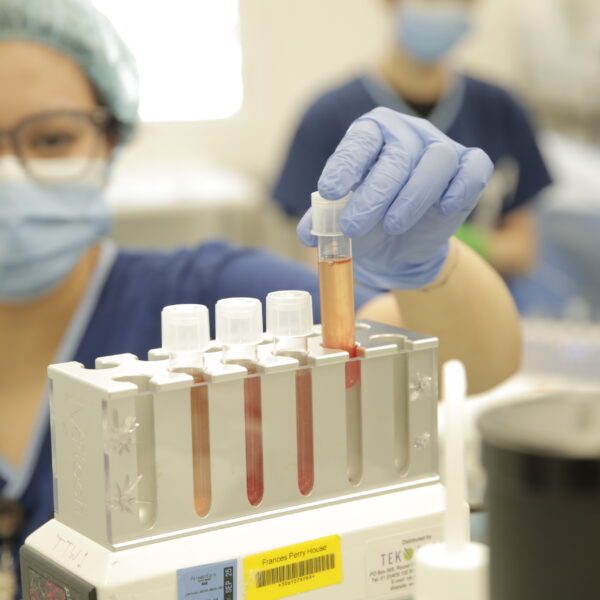
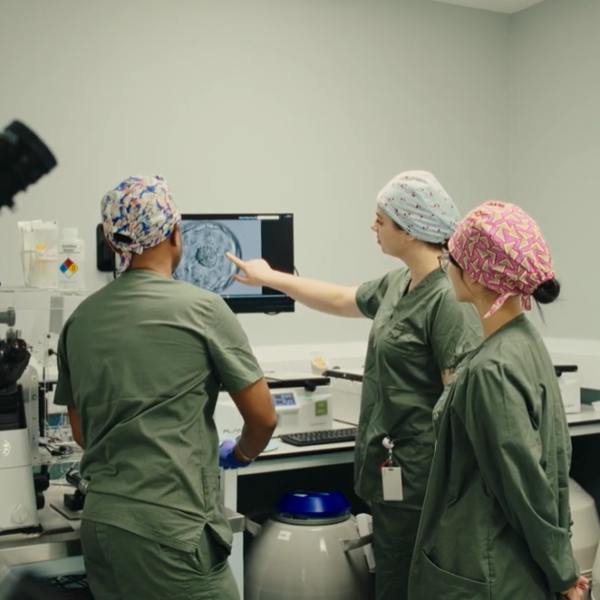
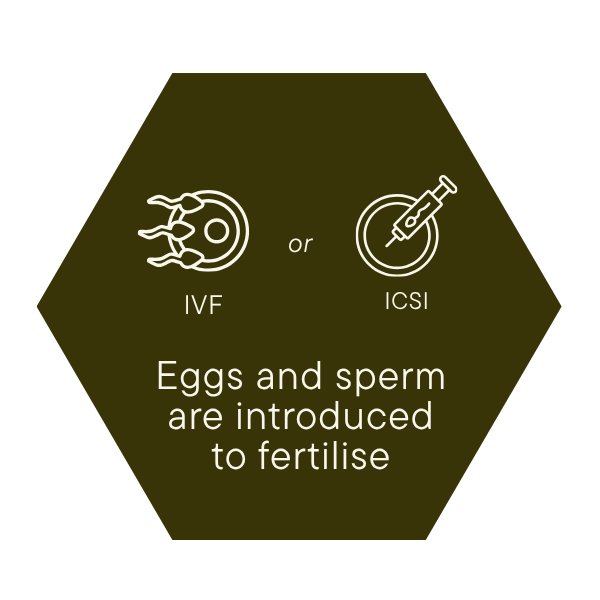
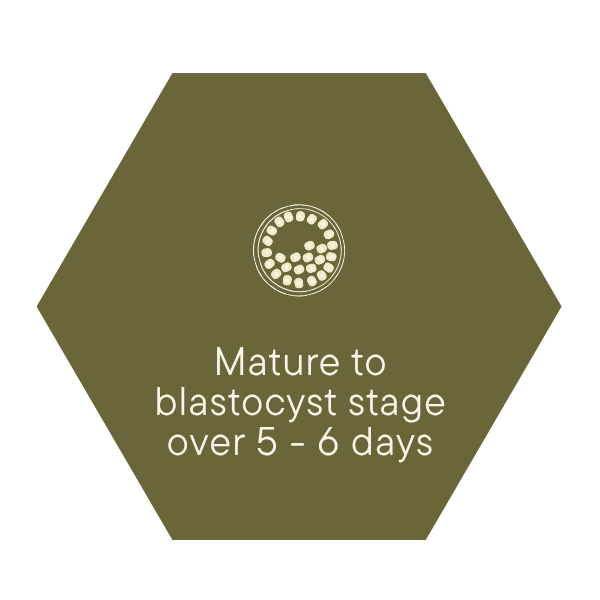
Following egg collection, your eggs are transported to the Stellar Fertility laboratory, based at our Fitzroy clinic. The eggs are assessed for maturity and then fertilised using either conventional IVF or, where indicated, intracytoplasmic sperm injection (ICSI) of all mature eggs. Our embryologists then closely observe embryo development over approximately five to six days. The goal is to identify embryos that continue developing to the blastocyst stage. At this point, embryos may either be transferred into the uterus or cryopreserved for future use. Not every fertilised egg will reach the blastocyst stage. This is a normal part of IVF and reflects the biology of embryo development.

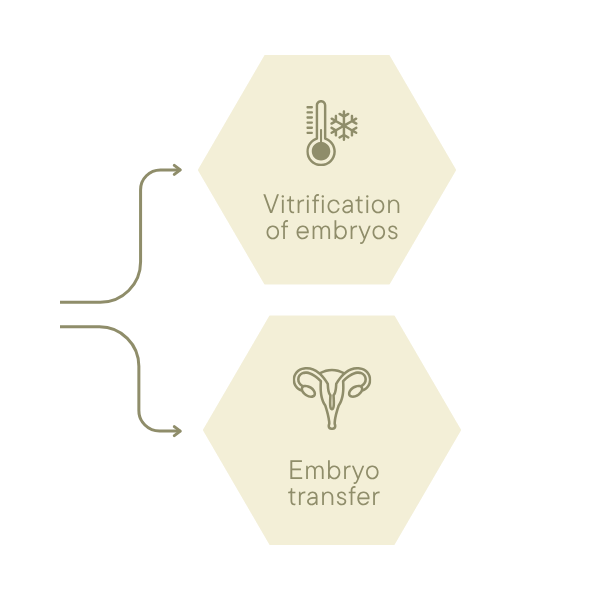
Fresh vs frozen embryo transfer
There are two main ways an embryo can be transferred.
Fresh Embryo Transfer
A fresh transfer occurs during the same IVF cycle as your egg collection. Following egg collection and fertilisation, the embryo continues developing in the laboratory. If an embryo reaches an appropriate stage for transfer and your specialist considers the uterine environment suitable, an embryo may be transferred without being frozen. A fresh transfer means you proceed directly from the egg collection stage to embryo transfer within the same treatment cycle, usually with 2 – 5 days inbetween.
Frozen Embryo Transfer
A frozen embryo transfer, or FET, uses an embryo that has previously been frozen or cryopreserved. There are several reasons your specialist may recommend freezing embryos and transferring them at a later date. For example, it may be preferable to allow your body to recover following stimulation, wait for genetic testing results, or prepare the uterine lining for transfer in a subsequent cycle. Having frozen embryos also means you may be able to undertake another embryo transfer without repeating ovarian stimulation and egg collection.
Is it safe to thaw a frozen embryo?
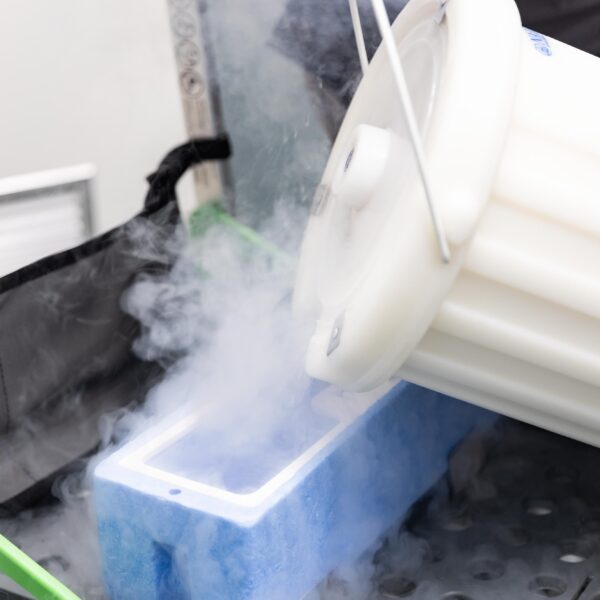
This is a very common question. Modern embryo cryopreservation uses a rapid-freezing technique called vitrification. Rather than allowing ice crystals to form within the embryo, vitrification rapidly cools the embryo into a glass-like state for storage in liquid nitrogen. When it is time for your frozen embryo transfer, the embryo is carefully warmed in the laboratory before being assessed for survival and suitability for transfer. Modern vitrification techniques are highly effective, with embryo survival following warming over 90% in experienced laboratories. Evidence also indicates that pregnancy outcomes following vitrified-warmed embryo transfer are comparable with fresh embryo transfers. Survival after warming is not guaranteed, your embryologist will assess the embryo after warming and confirm whether it is suitable for transfer. The fact that an embryo has been frozen does not mean it is a lesser-quality embryo or that freezing has made it unsafe. Embryo cryopreservation is an established part of modern IVF treatment.
What happens during an embryo transfer?
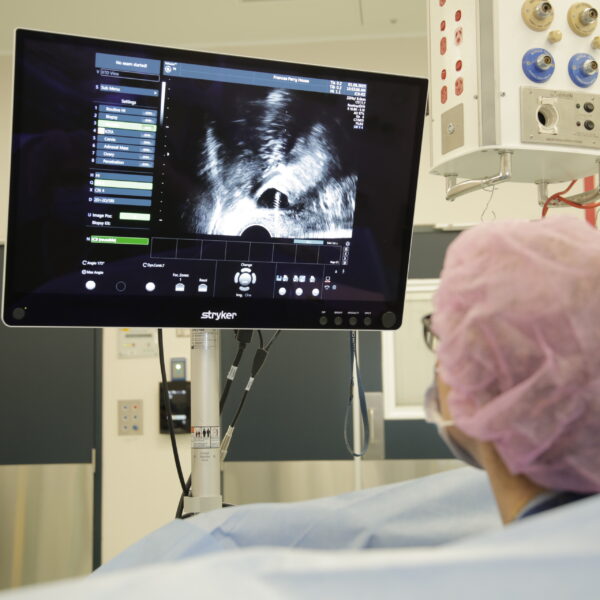
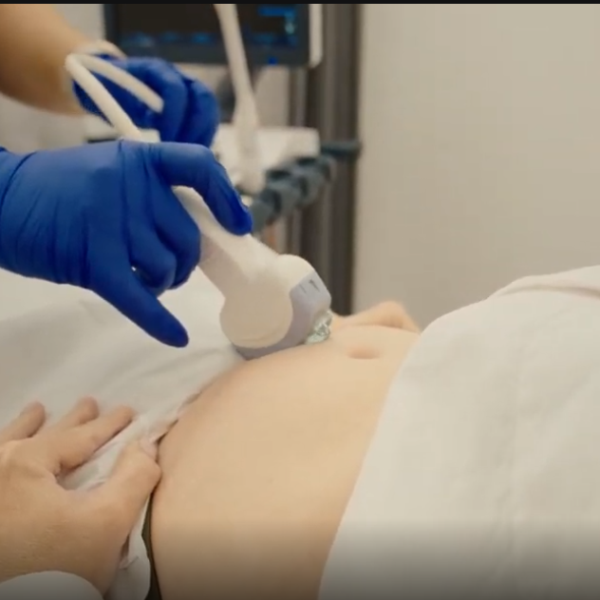
The embryo transfer itself takes place in the procedure room located within a Fitzroy laboratory. A transfer is generally a short procedure and does not usually require sedation. You will lie down while your specialist gently places a speculum which is followed by a thin catheter passing through the cervix and into the uterus. Under the guidance of a transabdominal ultrasound, the embryo is then released into the uterine cavity. The procedure does not involve placing the embryo directly into the lining of the uterus. Once transferred, the embryo must continue its development and, if successful, implant into the uterine lining. Your specialist and nursing team will provide you with instructions about medications and what to expect after your transfer. There is no need to remain completely still after an embryo transfer. Your normal day-to-day activities can generally continue according to the advice provided by your treating team.
One embryo or two?
You may hear the terms single embryo transfer (SET) and double embryo transfer (DET). A single embryo transfer means one embryo is transferred at a time. In selected circumstances, your specialist may discuss transferring two embryos. While transferring two embryos may seem like it could increase the chance of pregnancy, it also increases the risk of a multiple pregnancy, including twins. Twin pregnancies carry greater risks for both the pregnant person and babies, including an increased risk of preterm birth, low birth weight, developmental delays, difficulties with hearing and sight and pregnancy complications such as high blood pressure and pre-eclampsia. For this reason, single embryo transfer is the preferred approach at Stellar Fertility Melbourne, with the aim of reducing the risks associated with multiple pregnancy. Your specialist will discuss the most appropriate transfer strategy for you based on your age, embryo quality, treatment history and individual circumstances.
The two-week wait
After your embryo transfer comes what many people describe as the hardest part of IVF: waiting. The “two-week wait” refers to the period between embryo transfer and your pregnancy blood test. During this time, it is normal to notice every sensation and wonder whether it means the embryo has implanted. You may experience symptoms, no symptoms at all, or symptoms caused by the medications you are taking. Unfortunately, symptoms during this period cannot reliably tell you whether the transfer has worked. Try to remember that there is nothing you can do to make an embryo implant; and nothing you can do by simply going about your normal life that will cause an embryo to “fall out”. Your Stellar team will tell you when to have your pregnancy blood test. In general, pregnancy is assessed approximately ten – eleven days after embryo transfer.
What happens after your pregnancy test?
When your blood test is positive
A positive pregnancy blood test is an exciting milestone, but it is still the beginning of your pregnancy journey. Your Stellar Fertility team will advise you about continuing any prescribed medications and arrange the next steps in your care. An early pregnancy ultrasound is usually performed two weeks later to confirm that the pregnancy is developing appropriately and to assess for a heartbeat. Your specialist will then discuss ongoing pregnancy care and whether you will continue with your fertility specialist or transition to your chosen obstetric or maternity care provider. A positive blood test does not guarantee that a pregnancy will continue, which is why the early pregnancy ultrasound and subsequent care are important.
In the case of a negative test
A negative pregnancy test can be incredibly difficult, particularly after everything involved in reaching embryo transfer. It does not necessarily mean that IVF will not work for you. Your Stellar Fertility specialist will review the outcome with you and consider factors such as the embryo transferred, your uterine environment, your treatment response and your overall history. Depending on your circumstances, the next step may include:
- transferring another frozen embryo
- undertaking another IVF cycle to create or bank additional embryos
- reviewing your treatment plan before trying again
- considering other investigations where appropriate
- speaking with a Stellar Fertility counsellor
If you have frozen embryos remaining, you may be able to proceed with another frozen embryo transfer without undergoing another ovarian stimulation and egg collection. There is no single “right” next step. Your Stellar Fertility specialist will help you understand your options and make a plan that reflects your circumstances and goals.
How much does embryo transfer cost?
Out of pocket fees begin from $2950.
For further information on Stellar Fertility’s embryo transfer fee, visit our fee page or call 03 9123 8200 to speak with one of our delightful team members.